Concrete Slab & Foundation Work
Building strong foundations that support your structures for a lifetime.
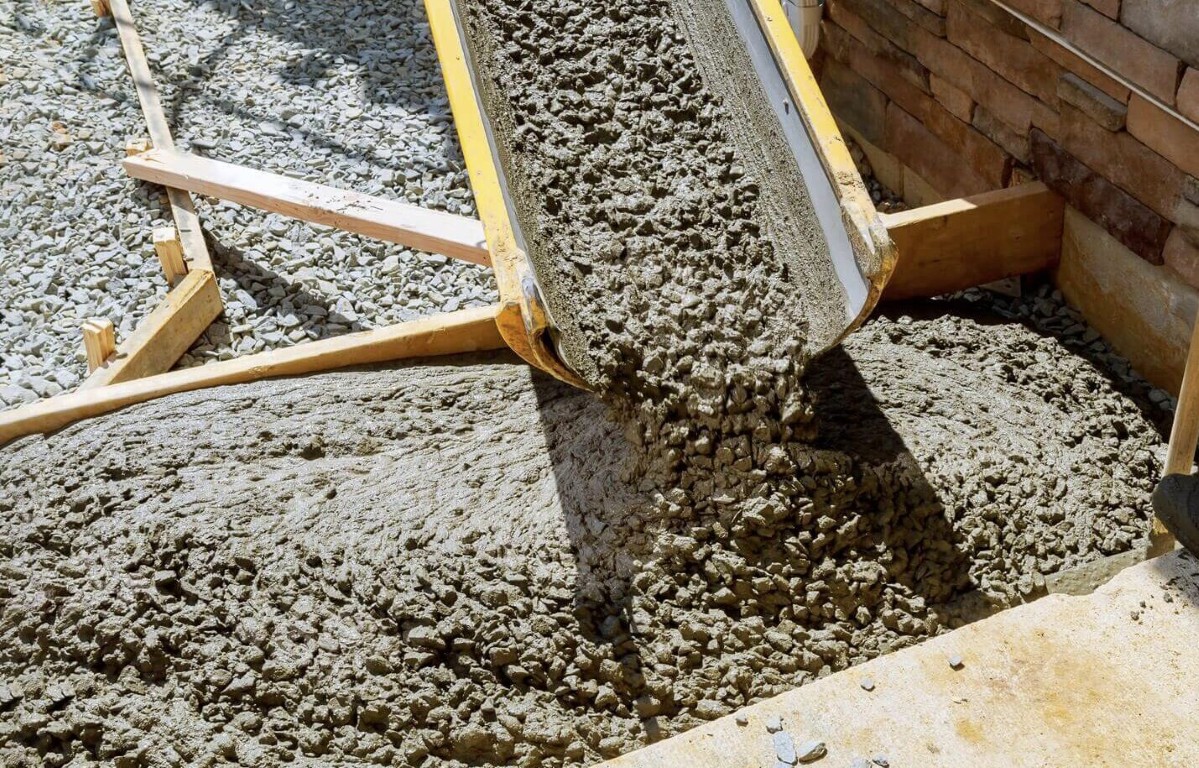
Your foundation is the most important part of any structure. Whether you're building a new home, adding a garage, or creating a workshop, everything depends on having a solid foundation underneath. A properly built concrete slab or foundation provides the stable base that keeps your structure level, prevents settling, and protects against moisture problems that can cause serious damage over time.
At LMC Lompoc Concrete, we specialize in concrete slab and foundation work throughout Lompoc and surrounding areas. We understand the soil conditions, building codes, and engineering principles that go into creating foundations that last. Every foundation we build is designed and constructed to support your structure's specific requirements while meeting all local building codes and standards.
Foundation and Slab Services We Provide
Different structures need different foundation approaches. We handle all types of concrete foundation and slab work, from simple garage slabs to engineered foundations for new homes. Here's what we can build for you.
Our Foundation Services:
- ✓Residential foundations: New home foundations, additions, and room extensions
- ✓Garage and workshop slabs: Thick, reinforced slabs that support vehicles and heavy equipment
- ✓Shed and outbuilding foundations: Properly sized slabs for storage buildings and accessory structures
- ✓Stem wall foundations: Raised foundations with footings and walls for areas with specific needs
- ✓Equipment pads: Heavy-duty slabs for HVAC units, generators, or machinery
- ✓Structural repairs: Foundation crack repair and underpinning for existing structures
Each type of foundation work requires specific knowledge about load requirements, soil bearing capacity, and proper construction methods. We engineer every foundation based on what it needs to support and the conditions at your specific property.
Why Proper Foundation Work Can't Be Skipped
You can't see your foundation once construction is finished, which is why some contractors cut corners here. But foundation problems don't stay hidden forever. They show up as cracked walls, sticking doors, uneven floors, and moisture damage that can cost tens of thousands to fix. Proper foundation work costs more upfront, but it's always cheaper than dealing with foundation failure later.
Load Distribution
Your foundation spreads the weight of your structure across a larger area so the soil underneath can support it without settling. Different structures have different weight requirements. A single-story garage needs less thickness than a two-story home addition. We calculate the loads and design your foundation to handle them properly.
Moisture Protection
A good foundation keeps moisture out of your structure. We install vapor barriers under slabs to prevent ground moisture from wicking up through the concrete. We slope the surrounding grade so water flows away from the foundation rather than pooling against it. These moisture control measures prevent mold, wood rot, and the musty smell that comes with chronic dampness.
Long-Term Stability
Properly built foundations stay level for decades because they're designed to handle soil movement, water table changes, and temperature fluctuations. We use the right concrete strength, adequate thickness, and proper reinforcement to create foundations that won't crack, settle, or fail over time. This stability protects your entire structure investment.
Our Foundation Construction Process
Building a foundation requires precision and attention to detail at every step. We follow engineered plans and local building codes to create foundations that pass inspection and perform reliably. Here's what happens during foundation construction.
Site Assessment and Planning
We start by evaluating your site conditions. We look at soil type, drainage patterns, and any slope or grade issues. For major projects like home foundations, we work with engineers who perform soil tests and create structural plans. We locate underground utilities and identify any obstacles that might affect excavation or construction.
Excavation and Grading
Next, we excavate to the proper depth based on your foundation type and local frost line requirements. We grade the excavation so water drains away from the foundation. For stem wall foundations, we dig trenches for footings that extend below the frost line and spread loads across undisturbed soil. Precision here matters because you can't fix poor excavation once the concrete is poured.
Base Preparation
We install a compacted gravel base that provides drainage and a stable platform for the concrete. The base thickness depends on soil conditions and the structure's requirements. We use plate compactors to ensure solid compaction throughout. Then we install a vapor barrier to block moisture migration from the ground.
Forming and Reinforcement
We build forms to the exact dimensions specified in the plans. We install steel rebar or wire mesh reinforcement according to engineered specifications. Proper reinforcement placement is critical for foundation strength. We use chairs and supports to hold the rebar at the correct height within the concrete. For projects requiring it, we install anchor bolts and embedded connections for attaching walls or posts.
Concrete Placement and Finishing
We order concrete mixed to the correct strength specification for foundation work. As we pour, we work the concrete carefully to eliminate air pockets around reinforcement and in corners. We screed the surface level and apply the appropriate finish. For slabs that will be visible, we can create smooth troweled finishes. For foundations that will be covered, we focus on proper consolidation and level surfaces.
Curing and Inspection
Proper curing is essential for foundation concrete to reach its design strength. We protect the concrete during the curing period and schedule required inspections. Building inspectors verify that the foundation meets code requirements before construction continues. We handle all the coordination with inspectors so your project stays on schedule. For complete outdoor construction, we also provide commercial concrete services.
Lompoc Soil and Climate Considerations
Foundation construction in Lompoc requires understanding our local conditions. Our coastal climate brings specific challenges that affect how we build foundations. The soil types vary throughout the area, and we adjust our methods based on what we find at your property.
Some Lompoc neighborhoods have expansive clay soil that swells when wet and shrinks when dry. This movement can crack foundations that aren't properly designed and reinforced. Other areas have sandy soil that drains well but may need deeper footings or additional reinforcement. We know which areas have which soil types and what construction methods work best for each.
Our mild climate means we don't deal with deep frost lines, but we do have significant moisture changes between our dry summers and wet winters. We design foundations that handle these seasonal moisture variations without cracking or settling. Proper drainage and grading are especially important here to prevent water from pooling against foundations during winter rains.
We're familiar with local building codes and know what inspectors look for. We build foundations that pass inspection the first time because we know the requirements and follow them carefully. This local expertise saves time and prevents the delays that come from failed inspections and required corrections.
Foundation Problems We Can Fix
Not all foundation work involves new construction. We also repair existing foundations that have developed problems over time. Catching foundation issues early and fixing them properly prevents more serious structural damage later. Here are common foundation problems we address.
Cracks and Settling
Small hairline cracks are normal in concrete, but large cracks or cracks that widen over time indicate foundation movement. We can repair cracks and address the underlying cause, whether it's poor drainage, inadequate reinforcement, or soil problems. For severe settling, we use underpinning techniques to stabilize and level foundations.
Moisture Intrusion
Water getting under or through your foundation causes all kinds of problems from mold to structural damage. We can install or repair vapor barriers, improve drainage, and seal foundation surfaces to keep moisture out. Sometimes this requires excavating around the foundation to install proper waterproofing.
Deteriorating Concrete
Old foundations sometimes develop surface deterioration from exposure to weather and chemicals. We can repair deteriorated areas by removing damaged concrete and rebuilding with new material. For extensive damage, we might recommend replacing sections of the foundation. If you need comprehensive concrete repair services, we handle projects of all sizes.
What Affects Foundation Project Costs
Foundation costs vary significantly based on project scope and site conditions. Understanding what drives costs helps you budget appropriately and make informed decisions. Here are the main factors that influence your foundation project cost.
Size and thickness are obvious cost factors. A small shed slab costs much less than a full house foundation. Thickness requirements depend on what the foundation needs to support. Simple structures might need only 4 inches of concrete while heavy buildings require 6 inches or more plus additional reinforcement.
Site conditions significantly affect costs. Level sites with good soil require less work than sloped properties or areas with poor soil that needs special preparation. Difficult access increases costs because equipment and materials are harder to get to the work area. Underground utilities that need protection or relocation add expenses.
Engineering requirements and permits add costs but are necessary for major projects. Home foundations require engineered plans and multiple inspections. Simpler projects like garage slabs might not need engineering but still require permits. We handle all the paperwork and include these costs in your quote so there are no surprises.
Need Foundation or Slab Work?
Let's discuss your foundation project. We'll assess your site, explain your options, and provide a detailed quote. Whether you're building new or repairing existing foundations, we'll help you understand what's needed and why.
Call (805) 291-8596